

Happy Halloween!
Welcome to a special edition of Field Notes from the Beyond celebrating the season!
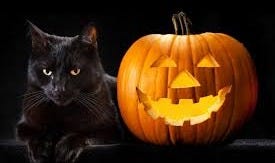
The roots of Halloween, or All Hallows’ Eve, go back to the ancient Celtic festival of Samhain (pronounced Sow-in). Celebrated at the close of the harvest, Samhain was considered a “liminal time”. This was a sacred period when the veil separating the worlds of the living and the dead was at its thinnest. This thinning veil allowed spirits to roam the Earth. The problem was that the thin veil didn’t discriminate between good and bad spirits. To protect themselves, the Celts lit massive bonfires and wore grotesque costumes and masks, hoping to confuse the spirits or pass among them unnoticed.


Fast forward to modern times and we have Halloween costumes! This night was also considered a time for divination when communication with the spirit world was amplified.
In later years, as Christianity spread, these pagan customs merged with the Church’s holy days of All Saints’ Day, also known as All Hallows’ Day, on November 1st and All Souls’ Day on November 2nd. October 31st became All Hallows’ Eve to fit into the Christian moniker for the day. Traditions like “souling,” where children and the poor, and sometimes others, begged for “soul cakes” in exchange for prayers for the dead, evolved into the modern practice of trick-or-treating. If you’re unfamiliar with soul cakes, these are small, round cakes with sweet spices. They look similar to a shortbread biscuit and are used to commemorate the dead.
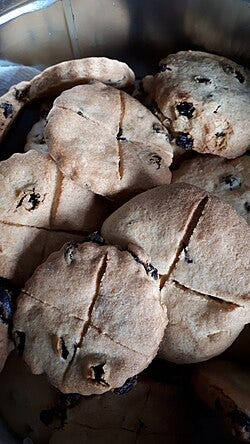
The practice of souling was traditionally done during the triduum of All Saints’ Eve or Halloween, All Saints’ Day, and All Souls’ Day. This triduum is known as Allhallowtide, Hallowtide, Allsaintstide, or the Hallowmas Season. It was also done on the Interational Day of Prayer for the Persecuted Church (first Sunday of November) and Remembrance Sunday (second Sunday of November). During this period, Christians are expected to remember the dead.
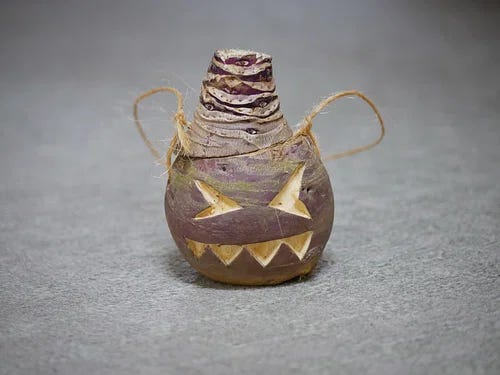
Another Halloween tradition, the jack-o’-lantern, was originally carved from turnips in Irish folklore to ward off the wandering spirit of “Stingy Jack”. To learn more about Stringy Jack, take a look at Mythology Unleashed:
November 1st & 2nd: Día de los Muertos
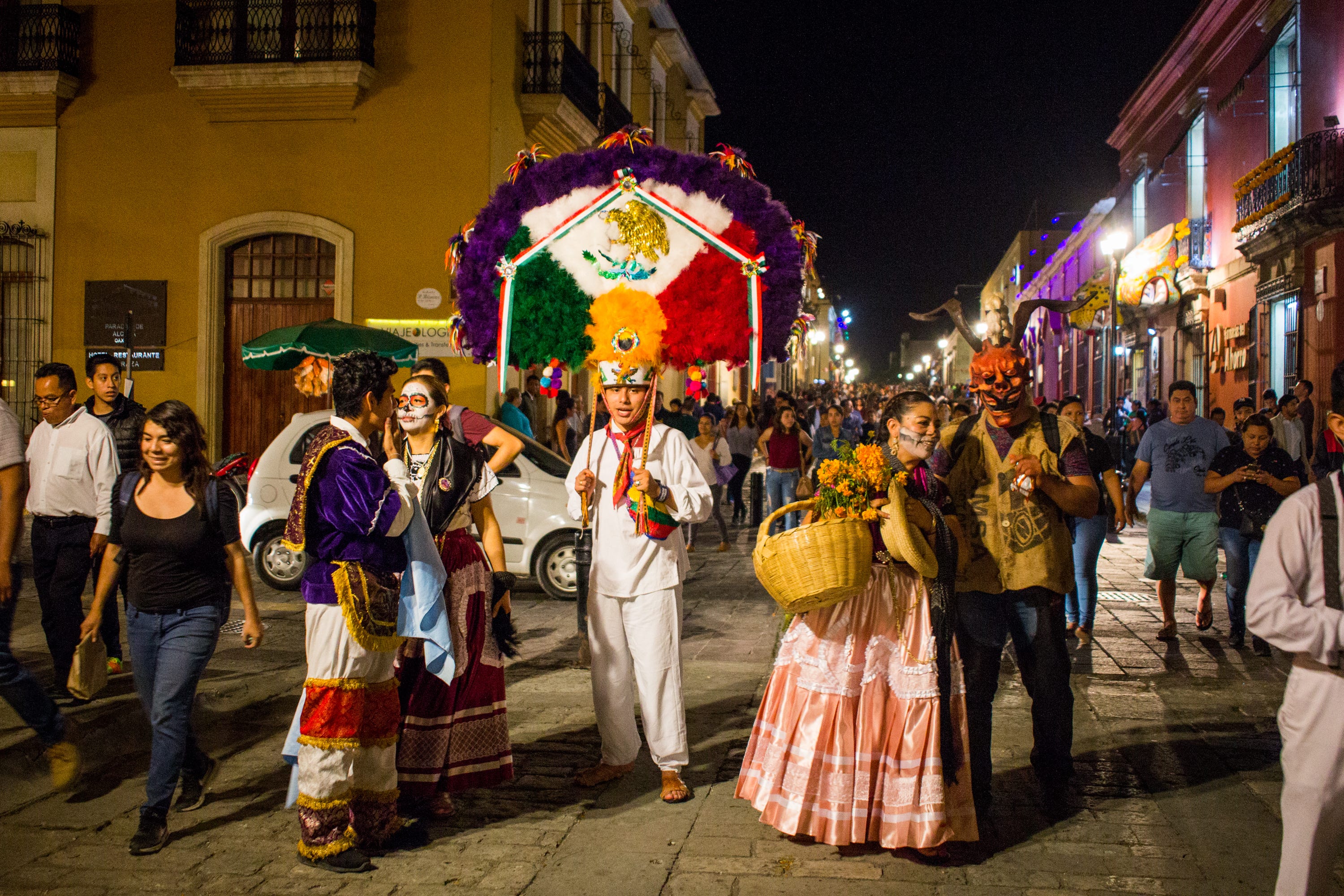
Día de los Muertos, or Day of the Dead, is a Mexican holiday celebrated on November 1st and 2nd that embraces death not as a tragic end, but as an essential part of the life cycle. While coinciding with the Catholic holidays of All Saints’ and All Souls’ Day, its core spiritual significance comes from Indigenous traditions, particularly those of the Aztec.


The celebration is rooted in the belief that the veil between the living and the dead temporarily lifts, allowing the souls of departed family members and friends to return to the mortal world to visit. This spiritual communion is encouraged by building elaborate private and public ofrendas (altars). These offerings are covered in bright marigold flowers (cempasúchil), whose color and potent scent guide the spirits home.


The altars feature photographs, the deceased’s favorite foods and drinks, and calaveras (sugar skulls) that mock death. Unlike many Western observances of death, Día de los Muertos is marked by joyous celebration, music, and laughter, emphasizing that memory keeps the dead alive. We can all learn from this. If you’ve never been to a Día de los Muertos celebration, find one in your area. They are amazing and beautiful to witness!
Coming Up Next
Next in Field Notes from the Beyond: This Day in Paranormal History
This Month on Beyond the Human: The Culture of Ghost Hunting
Next Month on Beyond the Human: Death & the Afterlife
Who are we?
We are a group of scholars interested in understanding paranormal, supernatural, and anomalous phenomena from an academic perspective. We want to document and validate experiences people have and study them in a rigorous way to bring credibility to these phenomena. Join us for our monthly podcast Beyond the Human and follow us on Spotify, Instagram, and Patreon to learn more about who we are, our methods, and what we want to learn!