

Cryptid Compendium: Nessie
The Loch Ness Monster
Welcome to Field Notes from the Beyond!
Who hasn’t heard of Nessie?!
We’re guessing the answer to that is no one. We thought it might be interesting to dive into Nessie’s history a bit this month. First, let’s take look at where she lives. And, yeah, I’m going with female pronouns for this one – Nessie just sounds like a girl!
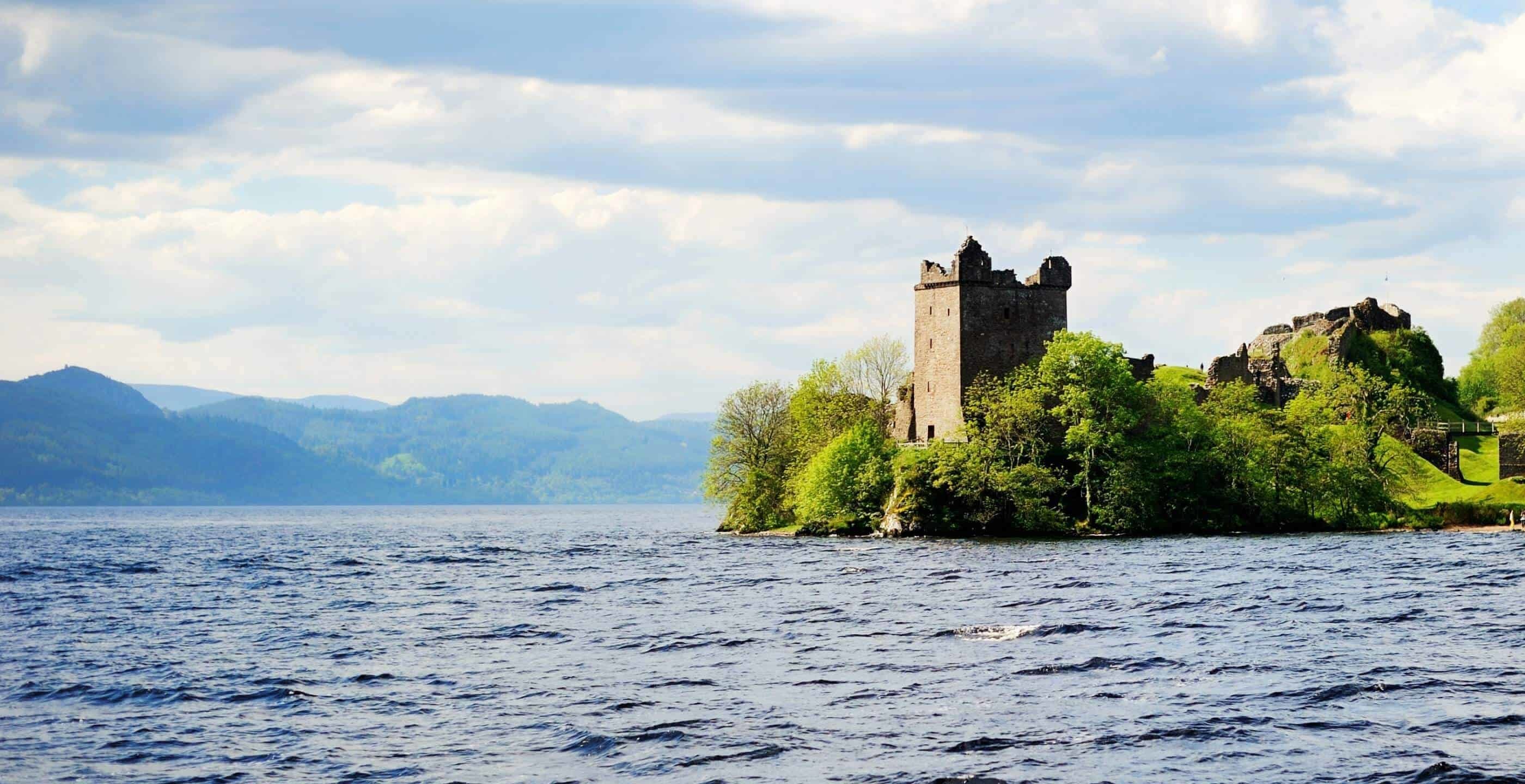
Loch Ness is in the Scottish Highlands and stretches more than 23 miles from end to end. It is over 700 feet deep in places, leaving plenty of space for a large sea creature to live! The location is, in a word, breathtaking. It is most definitely on our bucket list!
First Reports
Stories of a strange creature living in the loch have circulated for centuries, with the earliest references to a “water beast” in the region dating back to the 6th century. Saint Columba reportedly encountered a large, frightening creature in the River Ness, which flows from the loch. Apparently, Saint Columba saved a man from being attacked by commanding the creature to retreat.
The modern era of Nessie sightings, however, began in the 20th century. In 1933, a new road along the loch’s shores opened, allowing visitors to see the water clearly. Almost immediately, that year, George Spicer and his wife reported seeing a large, unusual creature crossing the road near the loch before plunging into the water. The story captured public attention, and newspapers quickly picked up the tale, sensationalizing what became known as the Loch Ness Monster.
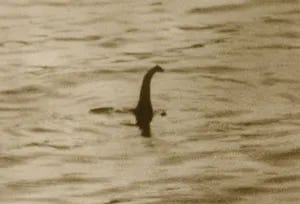
It was a year later (1934) when the first photographic evidence of the creature was allegedly caught by a London doctor named Robert Kenneth Wilson. His photograph became known as the “Surgeon’s Photograph.” The image appeared to show a long, serpentine neck rising from the loch, and it was widely published, exciting people around the world. For decades, it was considered to be a photograph of Nessie, but it was later revealed to be a hoax.
What’s the story?
Apparently, big-game hunter Marmaduke Wetherell was hired by the Daily Mail (British tabloid newspaper, has the highest circulation of paid newspapers in the UK as of 2020!) in 1933 to find evidence of Nessie. He reported large footprints, but they were debunked as coming from a dried hippo’s foot, which was a common umbrella stand at the time (glad that’s not true anymore). As revenge, Wetherell decided to build a model of Nessie using plastic wood as a neck and mounting it on a toy submarine and putting it in the lake for pictures.
Wetherell actually took the pictures, but convinced Robert Kenneth Wilson to submit them to the media. Wilson was well-known and enjoyed a good practical joke. The joke lasted until 1994 when Wetherell’s stepson, Christopher Spurling, who had helped with construction of the Nessie in the image, confirmed the hoax on his deathbed.
What does Nessie look like?
Hundreds of sightings describe a creature with a long neck, humps breaking the surface of the water, and sometimes a head resembling that of a plesiosaur, a prehistoric aquatic reptile. A 1974 essay by Victor Perera, The Loch Ness Monster Watchers, included a drawing based on his sighting.
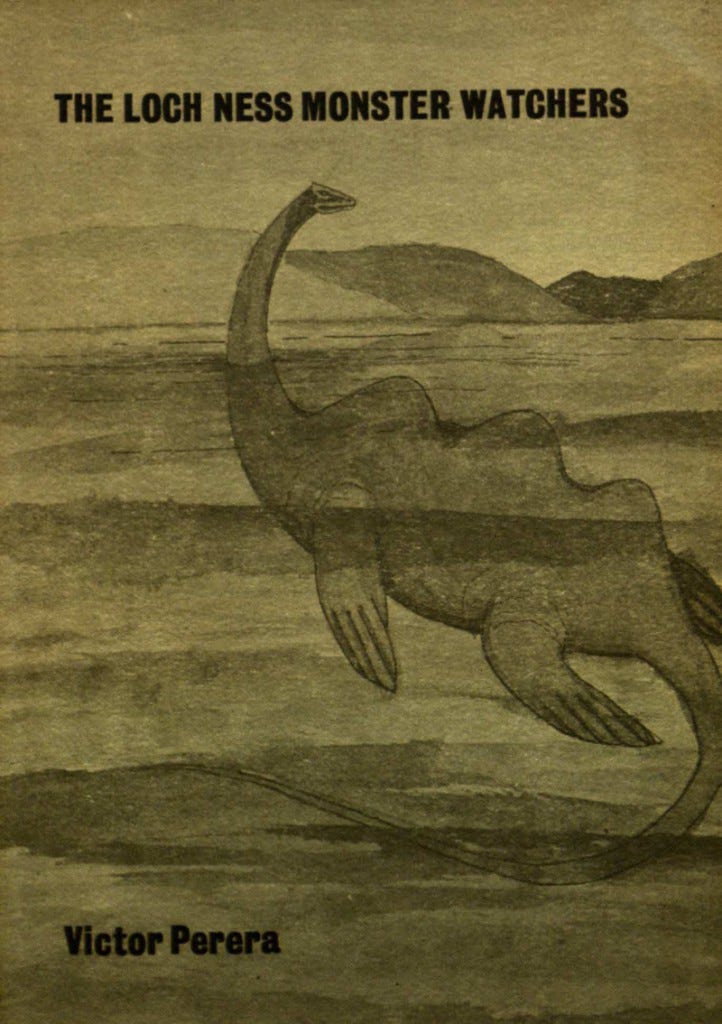
Though descriptions are somewhat similar, witnesses’ accounts do vary a bit. Some people describe a gentle, almost shy creature, appearing briefly before retreating beneath the waves, while others claim it is larger and more imposing. Still, for a cryptid, the accounts are remarkably similar.
What does science say?
Scientific investigations into Nessie began in the mid-20th century, including inquiries by biologists and ichthyologists, as well as cryptozoologists. Some proposed that Nessie might be a survivor from the Triassic or Cretaceous periods, a plesiosaur somehow hidden in the loch since that time. Others suggested giant eels, sturgeon, or unknown species of large fish. Many scientists, however, emphasized that the loch’s ecological conditions (cold, deep, and relatively nutrient-poor) would make it difficult for a large population of large creatures to survive undetected for all this time.
In the 1960s and 1970s, sonar equipment and underwater cameras were used in large-scale searches, often coordinated by organizations like the Loch Ness Investigation Bureau (founded in 1962 and lasting for about a decade without finding conclusive evidence). These efforts occasionally picked up unusual readings like large, moving objects in the depths, but none could be conclusively identified as a living creature.
In recent years, DNA surveys and advanced sonar have provided new data. A 2018 environmental DNA study aimed to catalog all life in the loch and try to find Nessie. While no large unknown animals were detected, the loch contained unexpected numbers of eels, making some people believe that giant eels could explain some sightings.
Is Nessie real?
We can’t say, obviously. People have been trying to figure that out for a long time! We can tell you that many alleged sightings have been attributed to floating logs, waves, wakes from boats, or optical illusions caused by the loch’s unique lighting and depth. Hoaxes, such as fake photographs or staged sightings, are common. Yet, for every skeptic, there remains someone who claims to have seen Nessie firsthand.
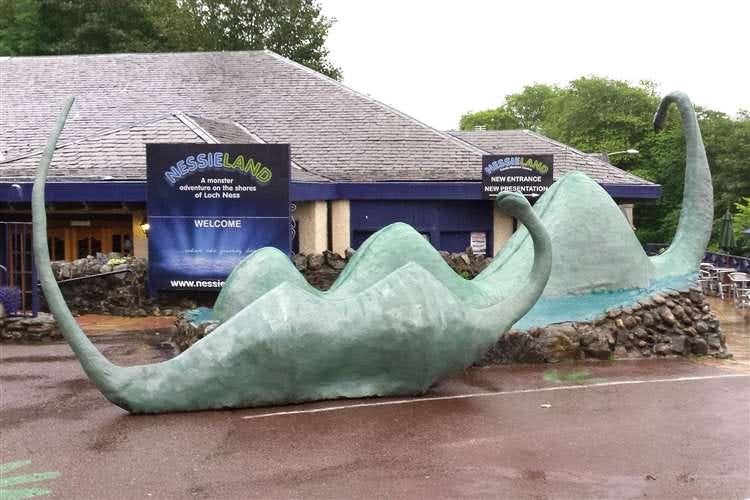
Regardless of whether or not Nessie is a biological creature, she has become a cultural icon, inspiring countless books, documentaries, and movies. The small town of Drumnadrochit, located on the loch’s shores, has embraced the legend, with museums, gift shops, and boat tours dedicated to the creature. They have even opened Nessieland: A Monster Adventure on the Shores of Loch Ness (https://nessieland.co.uk/) where you can take hourly boat tours of the loch, watch videos about Nessie, and see a variety of exhibitions about the monster.
So, is Nessie real? Take a trip to Scotland and see for yourself!
For more information:
https://www.bbc.com/news/articles/clyzxmjj3m2o
https://www.pbs.org/wgbh/nova/lochness/legend.html
https://lochness.com/
Coming Up Next
Next in Field Notes from the Beyond: Defining the Paranormal
This Month on Beyond the Human: The Medical Mystery known as Morgellons Disease
Next Month on Beyond the Human: The Culture of Ghost Hunting
Upcoming Events:
Peace Craft Show & Marketplace (https://peace-tohickon.org/craft-show/)
Saturday, September 27
10:00 am - 3:00 pm
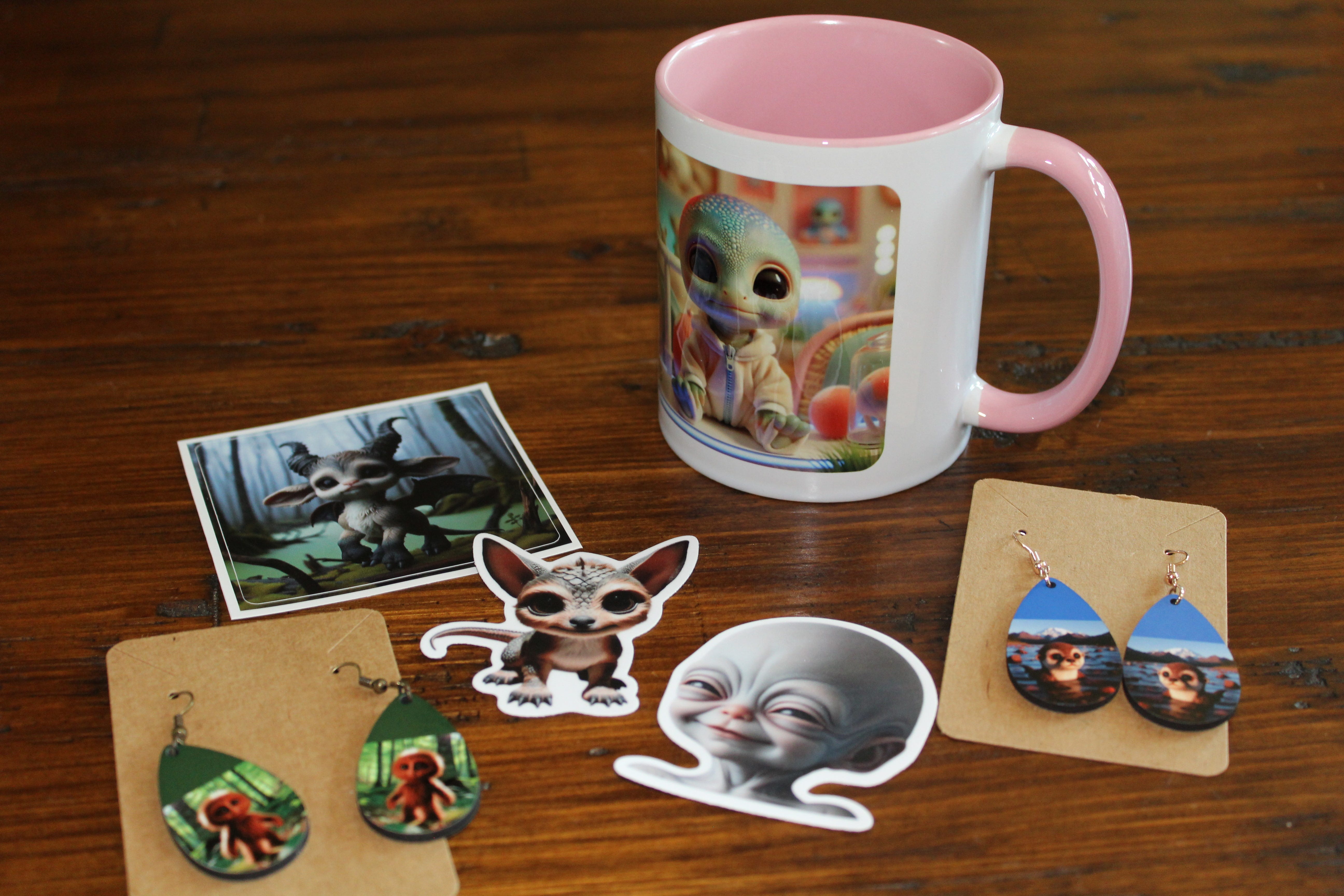
Come join Mangy Black Cat Creations (https://www.instagram.com/mangyblackcatcreations/) and get yourself some baby cryptid and baby alien items!
7th Annual Psychic Fair at Selma Mansion (https://www.facebook.com/events/1196354898854481/)
Saturday, October 4
1301 W Airy St., Norristown, PA
10:00 am - 3:00 pm
Join us for some Aura Photography!
We will be attending with our aura camera under the name Luminoso Aura Photography
A Haunting at Sayre House (https://blackrockeventsco.com/haunting/)
Saturday, October 11
Sayre Mansion, 250 Wyandotte Street, Bethlehem, PA
12:00 pm - 5:00 pm
A day of paranormal arts & oddities
Join us for some Aura Photography!
We will be attending with our aura camera under the name Luminoso Aura Photography
Who are we?
We are a group of scholars interested in understanding paranormal, supernatural, and anomalous phenomena from an academic perspective. We want to document and validate experiences people have and study them in a rigorous way to bring credibility to these phenomena. Join us for our monthly podcast Beyond the Human and follow us on Spotify, Instagram, and Patreon to learn more about who we are, our methods, and what we want to learn!